
Fast Brake Repair Orlando FL, Help When You Need It. Practical guidance for Orlando drivers. Call 407-326-0748 for help right now.
Squealing when you brake, a grinding metal-on-metal sound, or a pedal that feels soft or sinks lower than usual are all signs your brakes need attention soon. In Orlando, heavy stop-and-go traffic on roads like Colonial Drive, John Young Parkway, and Semoran Boulevard wears brake pads down faster than steady highway driving does. If you drive through downtown Orlando during rush hour or spend a lot of time in tourist-corridor traffic near International Drive, your brakes are working harder than the manufacturer’s general service estimate assumes.
Squealing usually means the pads have worn down to their built-in wear indicator, a small metal tab designed specifically to make noise before the pads are completely gone. It’s an early warning, not an emergency yet, but it should be checked within the next week or two. Grinding is different and more urgent: it means the pads are already worn through and metal is contacting metal every time you brake. That can damage your rotors, which turns a simple pad replacement into a more expensive rotor and pad job if it’s ignored for too long.
Other signs worth paying attention to include a brake pedal that feels spongy or sinks closer to the floor than it used to, a car that pulls to one side when braking, or a burning smell after a long downhill stretch or heavy stop-and-go traffic. Any of these are reasons to get the brakes looked at rather than waiting to see if the problem goes away on its own.
Every city puts wear on brakes, but Orlando has a few specific patterns that make it worse than average. Rush hour congestion on I-4 through downtown, constant stop-and-go traffic near the theme park corridors along International Drive and Kirkman Road, and heavy tourist and rideshare traffic near Universal Orlando all mean more braking per mile than a typical suburban commute elsewhere in the country.
Add Florida’s summer heat into the mix. High ambient temperatures mean brake components, especially rotors and calipers, run hotter than they would in a cooler climate. Heat accelerates wear on brake pad material and can affect brake fluid over time as well. Between the traffic patterns and the climate, brakes in Orlando often need attention sooner than a generic national average would suggest.
Neighborhoods with a lot of stop signs and frequent turns, like the residential streets around Conway or College Park, also add up over time even without heavy highway traffic. Every stop is a small amount of wear, and daily errands through neighborhood streets accumulate just like commuting does.
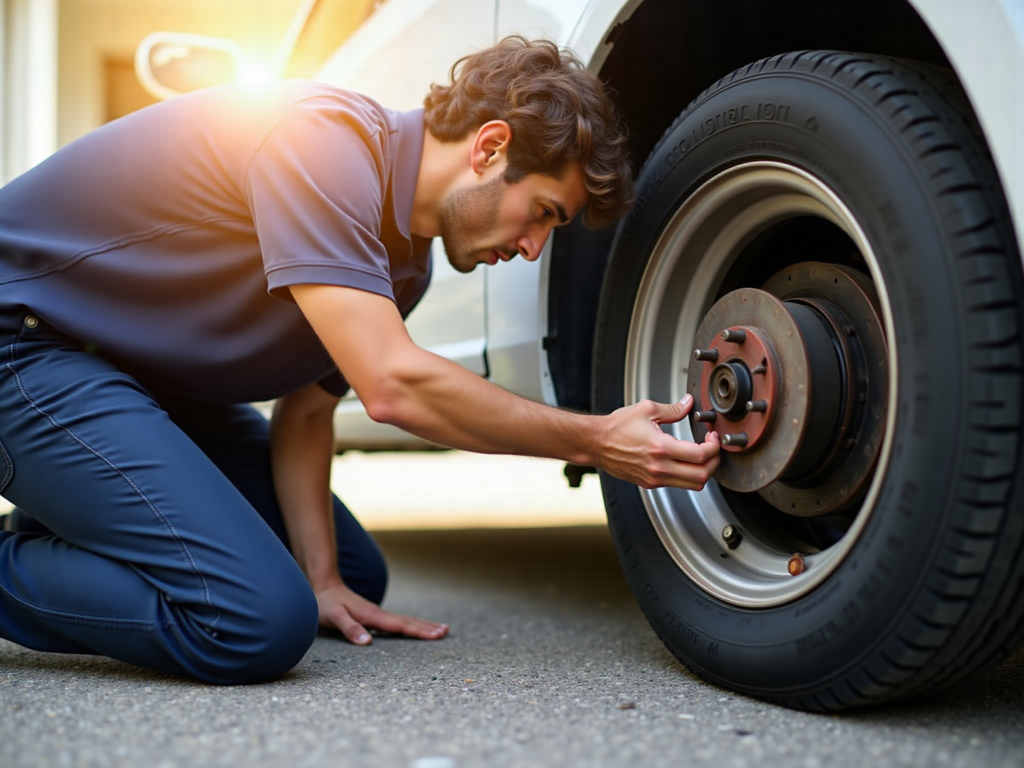
A mobile mechanic can inspect your brake pads, rotors, and calipers right where your car is parked, whether that’s your driveway, a work parking lot, or somewhere near Lake Eola Park downtown. The inspection starts with pulling a wheel to look directly at the pad thickness and the condition of the rotor surface.
If the pads are worn but the rotors are still smooth and within spec, a pad replacement alone is often enough. If the rotors are warped, scored, or below minimum thickness, they’ll need resurfacing or full replacement at the same time. Replacing pads on badly worn rotors without addressing the rotors usually leads to a repeat brake noise complaint within a few months, so it’s worth doing both together if the inspection shows they both need it.
Brake fluid is also worth checking. Over time brake fluid absorbs moisture, which can lower its boiling point and affect how firm the pedal feels, especially after repeated hard braking in heavy traffic. If it’s been a while since your last brake fluid flush, that’s a reasonable thing to ask about during a brake service visit.
Delaying brake repair rarely makes the problem smaller. Squealing brakes that are ignored eventually become grinding brakes, and grinding brakes that are ignored can damage the rotors badly enough that they need full replacement instead of resurfacing. In the worst cases, prolonged metal-on-metal contact can also affect the caliper and wheel bearing, turning what would have been a straightforward pad job into a more involved and more expensive repair.
There’s also a safety factor. Worn brakes take longer to stop the vehicle, which matters in Orlando’s dense traffic, especially in areas with heavy pedestrian activity like Thornton Park or the Milk District where quick reaction time really counts.
A light, occasional squeal that only happens on the first brake of the day is usually fine to schedule within the week. A squeal that’s constant every time you brake, or any grinding at all, is worth calling about right away rather than waiting. If the brake pedal feels different than usual, softer, harder, or pulsing when you press it, that’s also worth a same-week call rather than letting it go.
Some drivers ask whether they can just replace the pads themselves to save money. It’s a doable job with the right tools and experience, but a proper brake job means checking the rotors, brake lines, and caliper slide pins too, not just swapping the pads. Getting all of that checked by someone who does it regularly catches problems a quick pad swap alone might miss.
See our Pricing Guide Orlando FL for general estimate ranges. Call 407-326-0748 for a number based on your specific vehicle.
Often yes, depending on the day and current schedule. Call 407-326-0748 to check availability.
No. Grinding means the pads are worn through and metal is contacting metal, which reduces stopping power and can damage the rotors and calipers further the longer it continues.
Only if the inspection shows both need it. If the rotors are still within spec, a pad-only replacement is often enough.
It varies by driving habits, but Orlando’s heavy stop-and-go traffic and heat mean many drivers need brake service more often than the general manufacturer estimate suggests.
Reading about the problem is a good start, but if your car needs attention today, call 407-326-0748. See our full services list or Pricing Guide for more.